
Product Design & Design Engineering
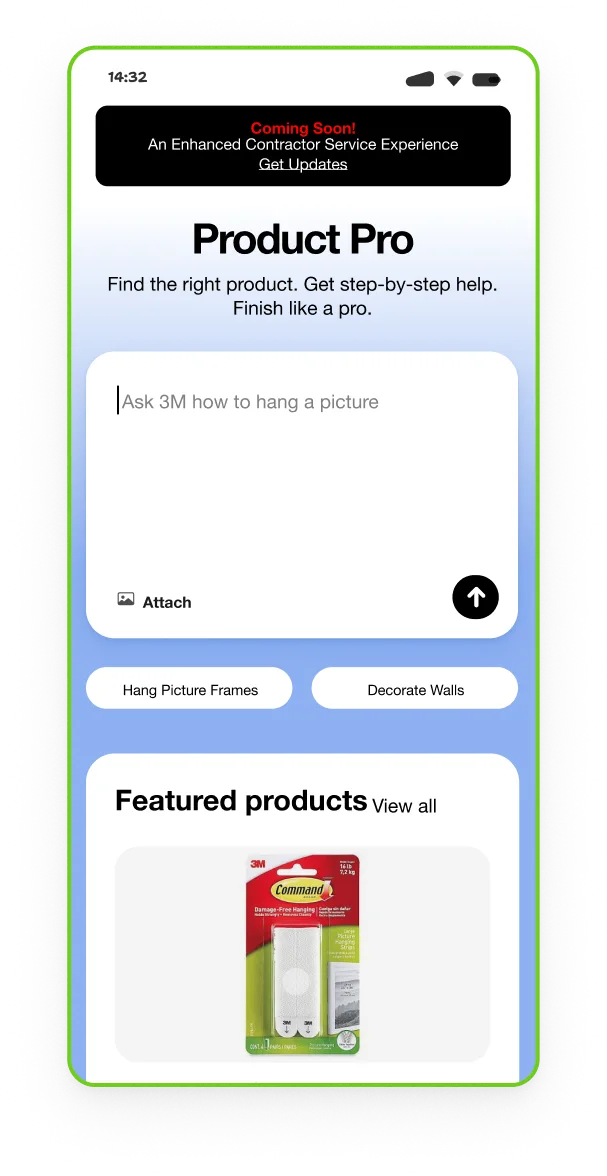
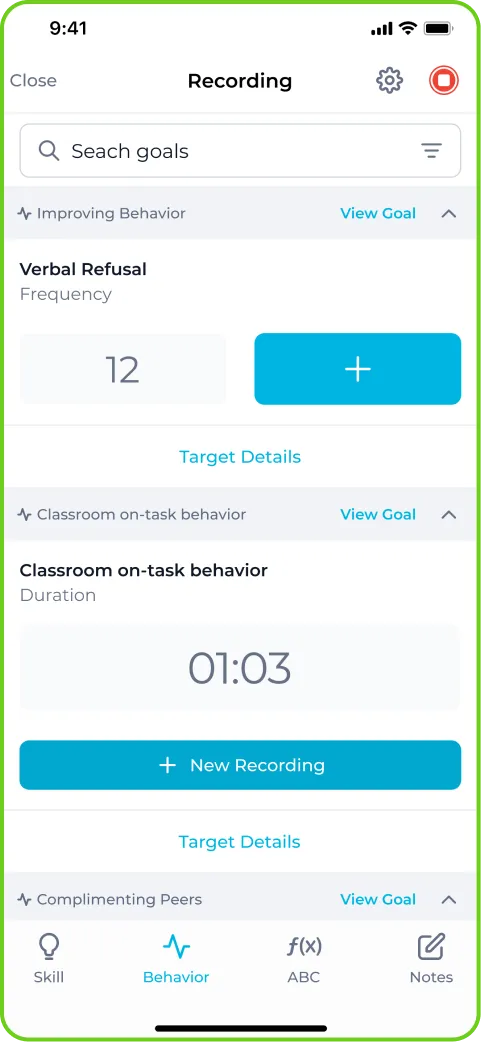
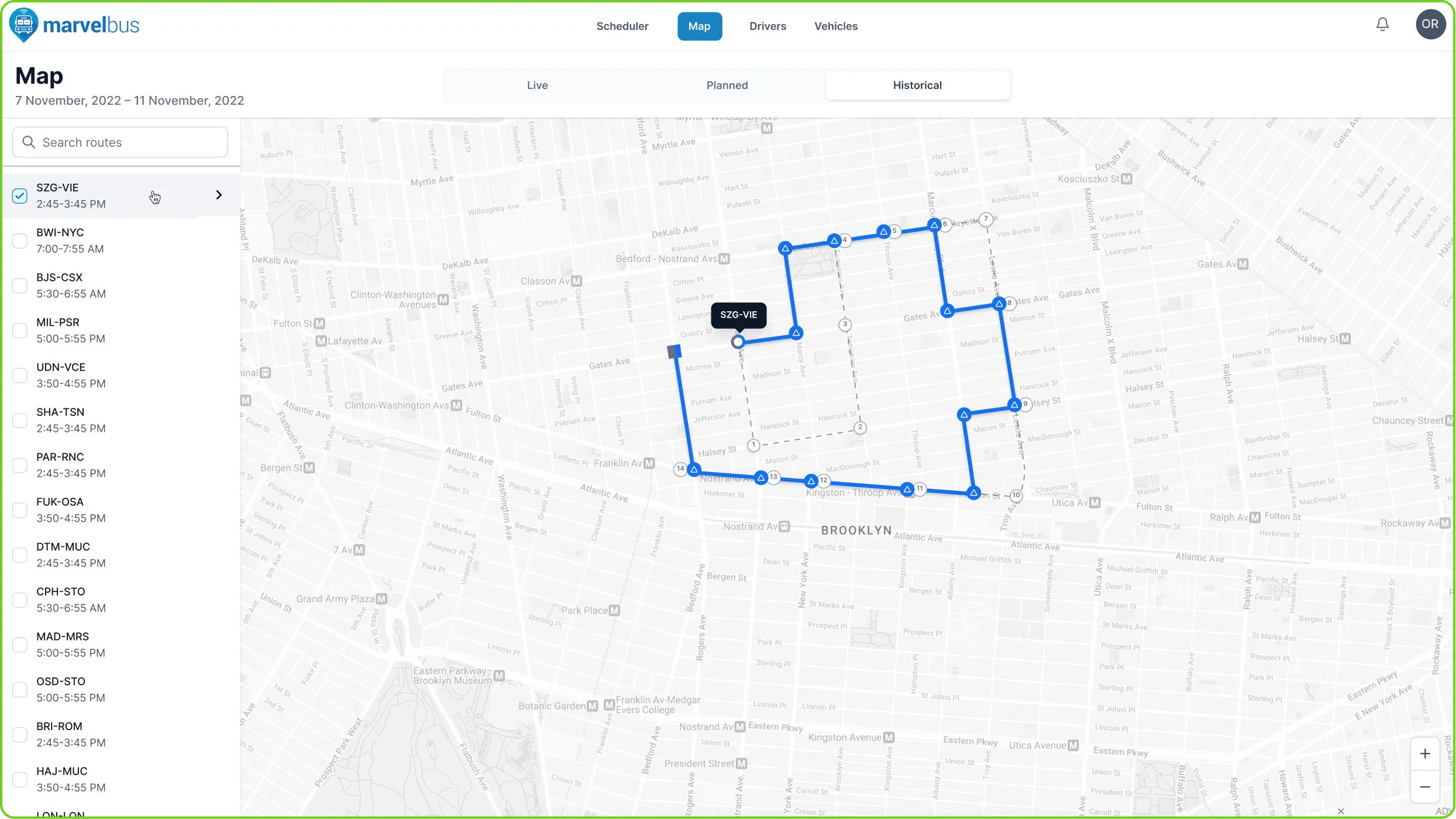
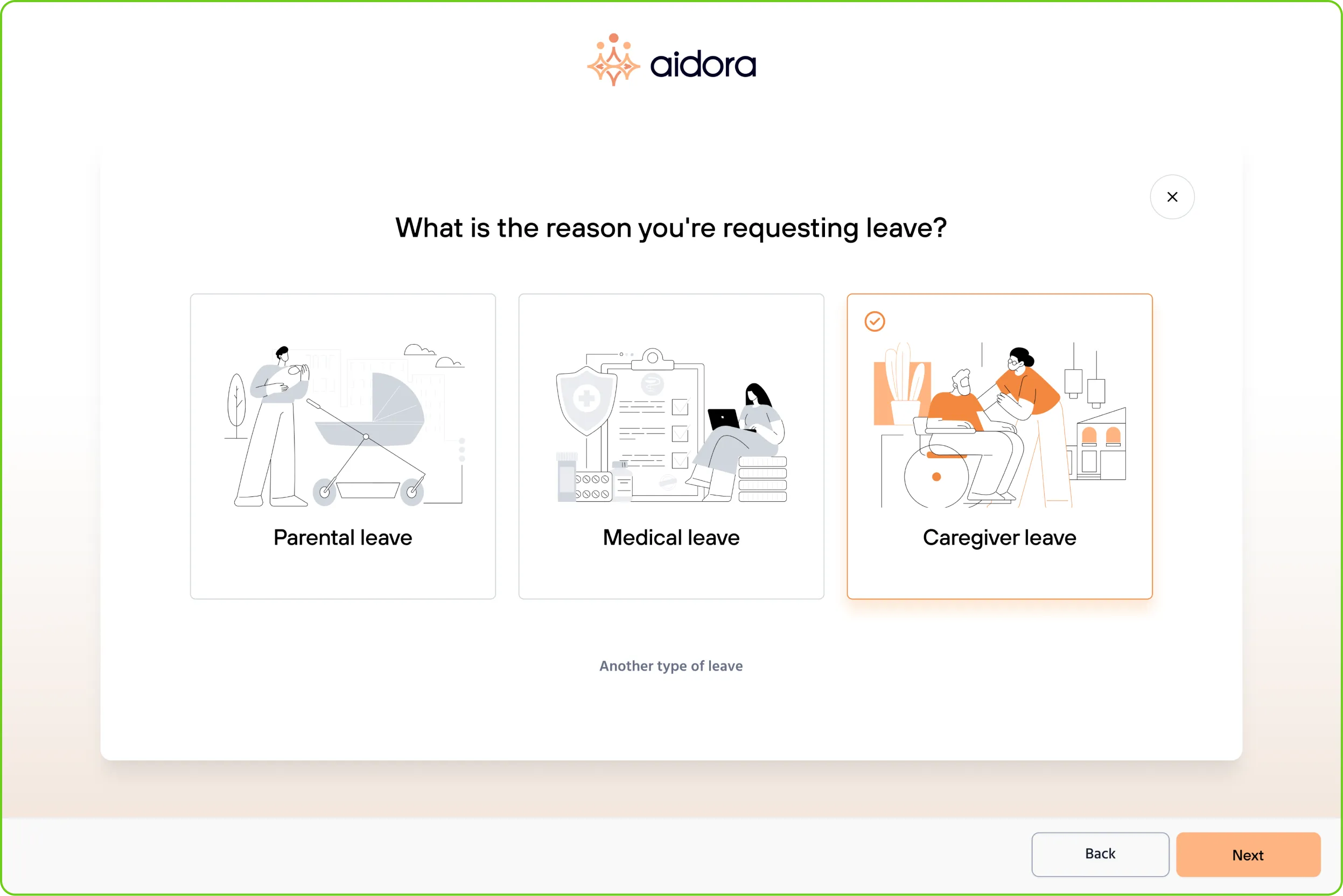
We design products that people actually know how to use.
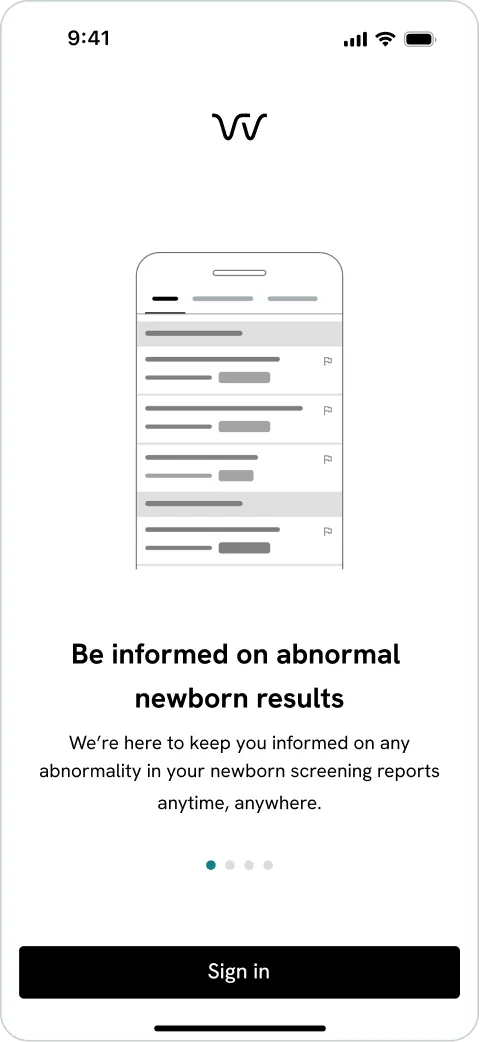
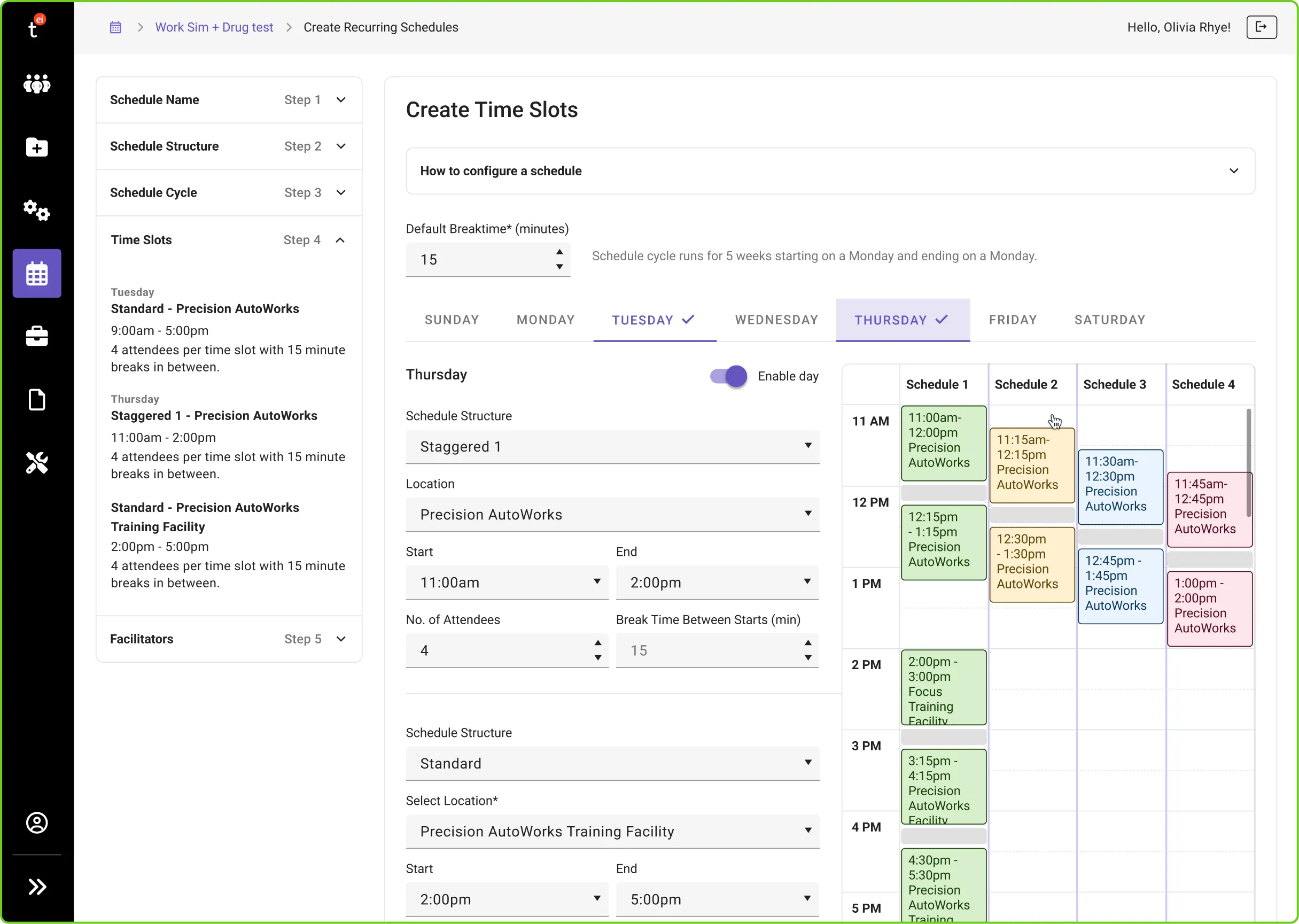
Most design work stops at the screen. We go further into the workflow, the system, the team structure, because that's where products actually break.


.webp)
Why It Matters
Clarity isn't a nice-to-have. It's the product.
When users instantly understand how to move through something, they trust it. That trust turns into adoption, retention, and growth. When they don't — you rebuild, re-explain, and re-prioritize forever.
We design products where the interface disappears and the value is obvious. Then we build the systems so your engineers can ship it without starting from scratch every quarter.

Capabilities
An end-to-end process
UX & Interaction Design
User intent & persona research
Workflow & journey mapping
Information architecture
Wireframes & prototypes
Usability testing
UX writing & microcopy
Responsive & accessible interfaces
AI-assisted interface design
Product Design
Adoption: Users reach value faster
Conversion: Friction removed at key decisions
Retention: Workflows feel intuitive, not exhausting
Advocacy: Products users trust and recommend
Growth: Systems that scale without constant rework
Design Engineering
Tokenized design systems (Figma + React)
Component libraries
Concurrent design + dev workflows
Code-ready prototypes
Dev handoff documentation
Scalable design infrastructure
Why Distilled
We work with product teams who appreciate a startup vibe, even inside large organizations.

That means understanding problems before proposing solutions
Cutting through hype and overwhelm
Knowing when not to redesign everything

Frequently Asked Questions
Common questions, answered
How does Distilled Strategy identify UX friction in an existing digital product?
We combine product analytics, session recordings, support ticket themes, and moderated user sessions. Analytics show where users drop; user sessions explain why. We map both against the workflows that drive your revenue, then rank friction by business impact.
How does Distilled Strategy prioritize UX improvements when we have dozens of product issues but limited development capacity?
We score every issue against revenue impact, user volume affected, and engineering effort. Fixes that touch activation, conversion, or retention go first. Cosmetic inconsistencies wait. You get a sequenced backlog your engineering team can pull from immediately.
How do you redesign a core product without putting conversion or retention at risk?
We baseline your current conversion and retention metrics before touching the interface. Then we release the redesign in small pieces, to a small group of test users. Each release is measured against the baseline. Anything that underperforms gets rolled back.
Can Distilled Strategy redesign our product without forcing users to relearn the entire interface?
Yes. We keep existing wokflows (navigation patterns, terminology, and core workflows) and change what causes friction. Where a workflow must change, we stage the rollout and add tooltips and short walkthroughs to assist customers.
How does Distilled Strategy handle product design when our existing design system is inconsistent or outdated?
We audit your current components, keep what works, and consolidate the rest into a documented system your engineers can build from. We rebuild the system alongside live feature work rather than pausing the roadmap for a standalone project. We also set it up for both your design and engineering teams, so the AI tools they use reuse your components instead of creating new ones.
Can you work with our existing product and engineering team?
Yes. We embed with your product managers and engineers (joining standups, sprint planning, and design reviews) and deliver developer-ready specs with defined states, edge cases, and component behavior. Clients describe Distilled Strategy as an extension of their team.
How do you measure the impact of product design improvements?
We agree on the metrics before design starts: activation rate, task completion, time-to-value, support ticket volume, retention, or conversion. We capture a baseline, instrument the new flows, and report movement against that baseline after release.
How long does a typical product design engagement take?
Anywhere from three months to two years. Fixing one workflow takes a few months. Rebuilding a whole platform can take a year or two. Either way, we work inside your team, learning how your company runs and how your users behave before we touch the product. Short on designers? We can add a few to your team.
.webp)
.webp)