
Product Strategy & Market Readiness
We turn your vision fundable, buildable, and sellable.
Most product visions stall because nobody can see them clearly enough to commit. We make them real — validated, prototyped, and ready for the room.
.svg)


Why It Matters
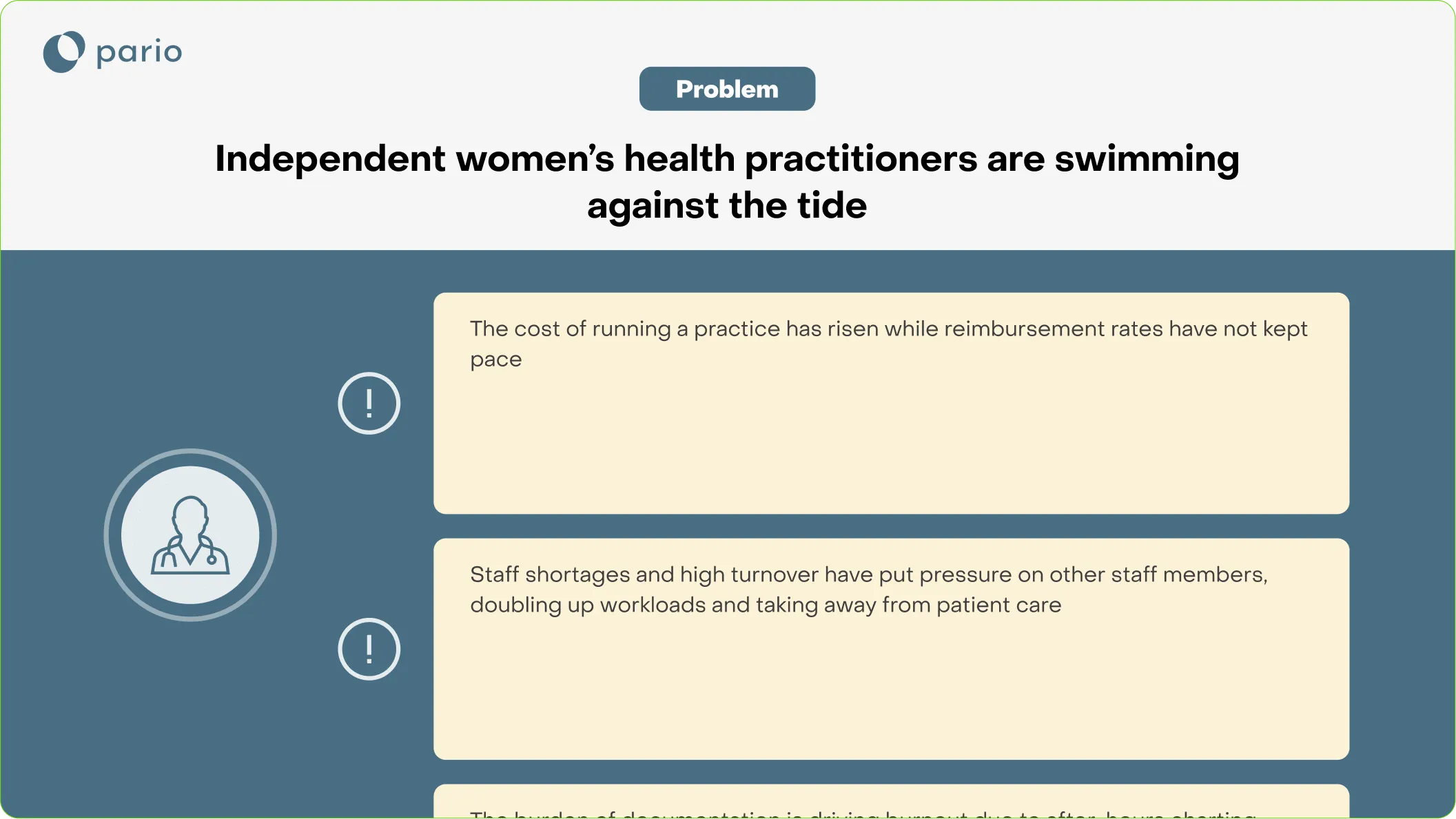
The bottleneck isn't building. It's deciding what to build and showing everyone it's right.
AI made it cheaper to ship. It didn't make it easier to know what's worth shipping: understanding the problem, the customer, the market, and the story.
When leadership has a prototype they can demo, a hypothesis they can defend, and a narrative that lands with buyers, they move. When all they have is a roadmap and a promise, they stall for months. We close that gap. Strategy, proof, and story — running in parallel, not sequentially.

What We Do
An end-to-end process
01. Validate
We stress-test the idea before you bet the budget on it. It's a clear answer: should we build this, can we, and what does it take.
Founding hypothesis development — customer, problem, advantage
Technical feasibility sprints — data assessment, architecture, model selection
Feasibility prototypes that prove the hardest use case works first
User research, personas & journey mapping
Vendor & platform evaluation grounded in real workflows
Data scorecards & gap analysis
02. Visualize
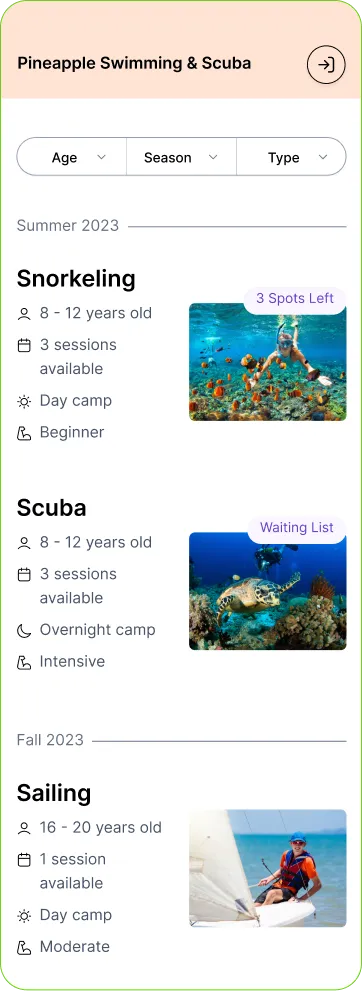
We make the future tangible so stakeholders stop debating and start committing. If your CEO can't demo it in a meeting, it's not real yet. We make it real.
North Star experience definition & "hero moment" prototypes
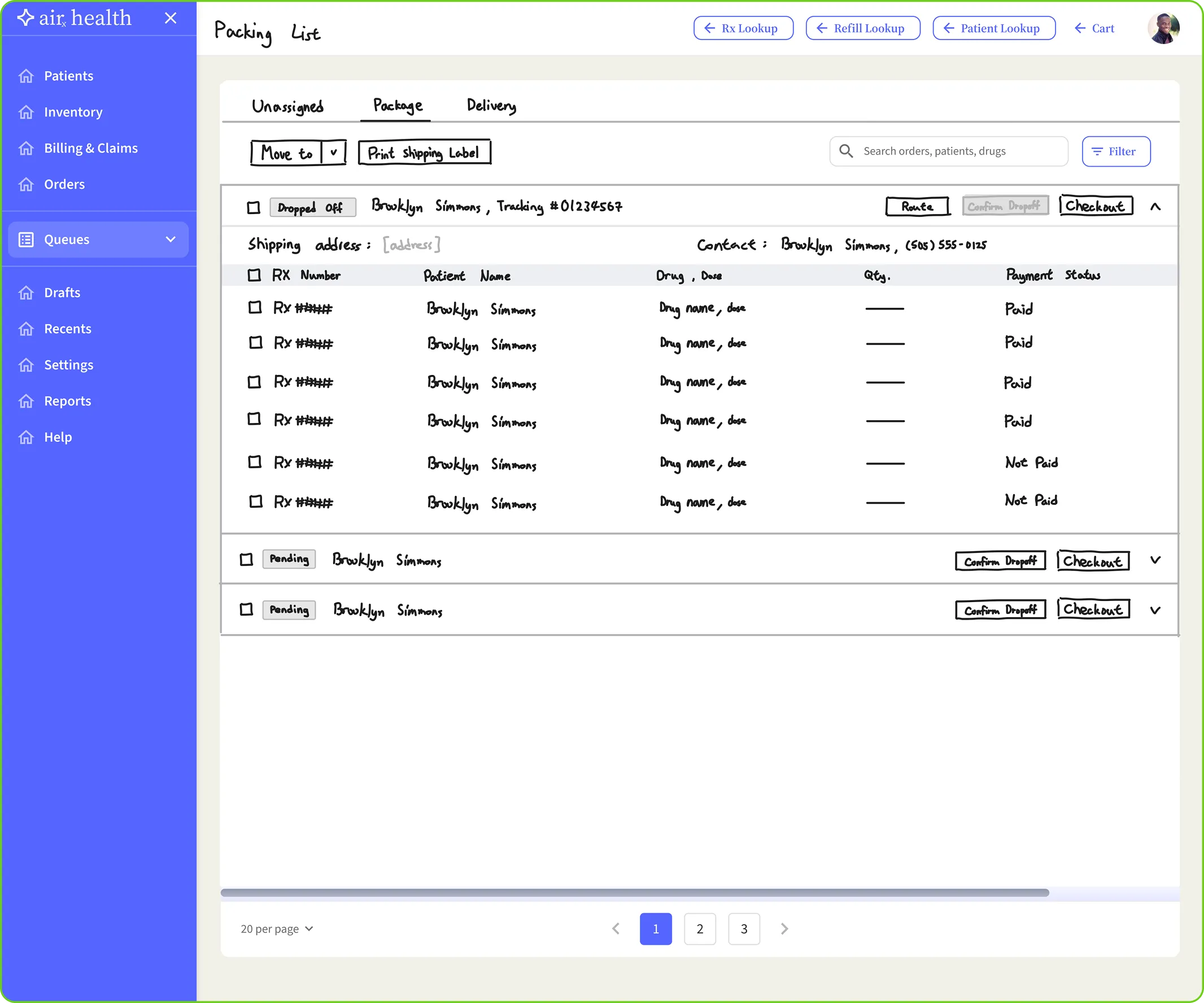
High-fidelity clickable demos designed to sell the vision internally
Mock press releases that force plain-language clarity on impact
Product roadmaps that sequence milestones, not just features
Audience-specific narrative decks — board, buyers, skeptics, engineering
Internal alignment workshops that turn circular debate into decisions
03. Activate
We build the engine so demand starts before engineering finishes. We don't theorize about markets. We build the playbook, test it with real signals, and refine based on what's actually converting.
Positioning & messaging tuned to your actual buyer
Segment prioritization — which industries, regions, and profiles to attack first
Channel strategy — direct, indirect, associations, regional activations
Launch sequencing — big splash, then disciplined expansion with learning loops
Sales enablement toolkits, collateral & pitch materials
Internal "hype machine" assets — decks, explainer videos, landing pages
Budget allocation tied to pipeline outcomes, not activities
Sales-marketing feedback loops so messaging sharpens in real time
Why Distilled
From foggy vision to fundable, sellable clarity, fast.
We don't run strategy and go-to-market as separate workstreams. They're the same engagement. The founding hypothesis informs the prototype. The prototype shapes the narrative. The narrative becomes the sales toolkit. Every output feeds the next.
We push back early. We kill bad assumptions before they become expensive features. We say no to GTM plans that boil the ocean. We stop you from launching into twenty segments when you should own two first. And we leave you with artifacts your team can actually use — in a board meeting, on a sales call, in sprint planning.
Small teams. Fast timelines. Everything tangible.

Frequently Asked Questions
Common questions, answered
How do you identify which product problems are actually worth solving?
At Distilled Strategy we test each problem against three filters: how many users hit it, what it costs the business, and whether solving it fits where the company is going. Problems failing all three get documented and parked.
How do you identify gaps in our product that could be limiting adoption, retention, or expansion?
We examine the full lifecycle (onboarding, activation, habitual use, expansion) using product analytics, churn interviews, sales-loss reasons, and support themes. Gaps typically cluster at handoffs: signup to first value, single user to team, core plan to upgrade.
Can you help reposition an existing product when the market or customer expectations have changed?
Yes. The team at Distilled Strategy will interview current customers, churned customers, and your sales team to find where the product already wins, then rebuild positioning around that. Repositioning then had downstream impacts on messaging, packaging, and roadmap.
How do you develop a product strategy when we have multiple customer segments with competing needs?
Distilled Strategy sizes each segment by revenue, growth, and strategic fit, then names a primary one. Shared needs go into the core product; segment-specific needs become configurable layers. Naming a primary segment is the decision most teams avoid.
Can you work with our existing product, engineering, marketing, and leadership teams?
Yes. We run working sessions with each function and translate between them. Leadership sets outcomes, product and engineering weigh feasibility, marketing owns the go-to-market story. Our deliverables help all four groups get on the same page and deliver a solid product strategy.
How do you measure whether a product strategy is actually moving the business forward?
Distilled Strategy ties each bet to metrics your leadership already tracks: activation, retention, expansion revenue, win rate, sales cycle length. Every bet gets a named metric and review date, so what is not working gets cut early.
How long does a typical product strategy engagement take?
It depends on how much clarity already exists. Teams with recent customer research move faster than teams starting from scratch. Distilled Strategy scopes the engagement after an intro call, once we see your data and decision timeline.
.webp)
.webp)